


- A Korean fitness trainer in Sydney is rewriting the rules of elder care — one repetition at a time.
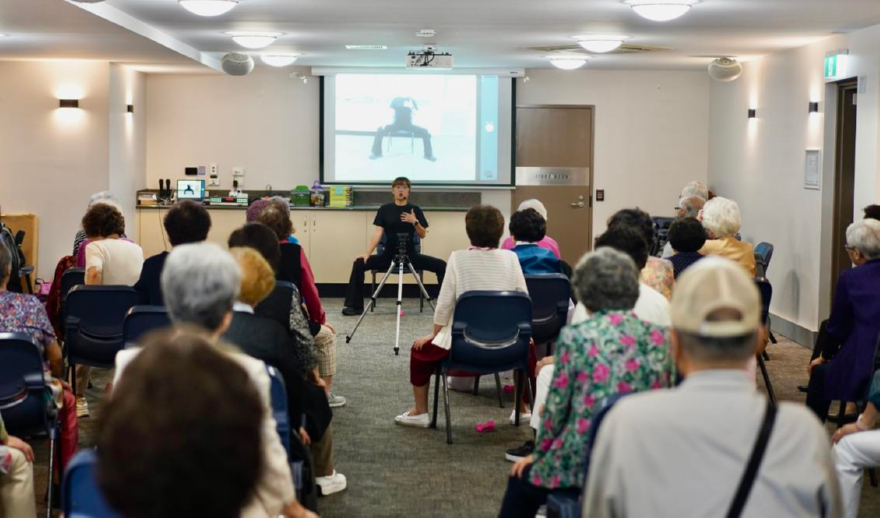
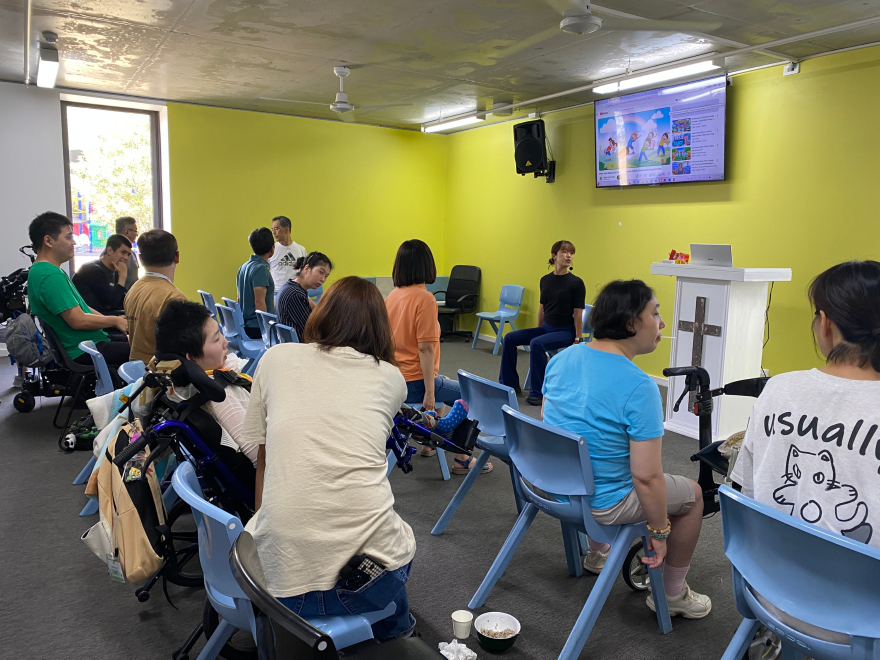
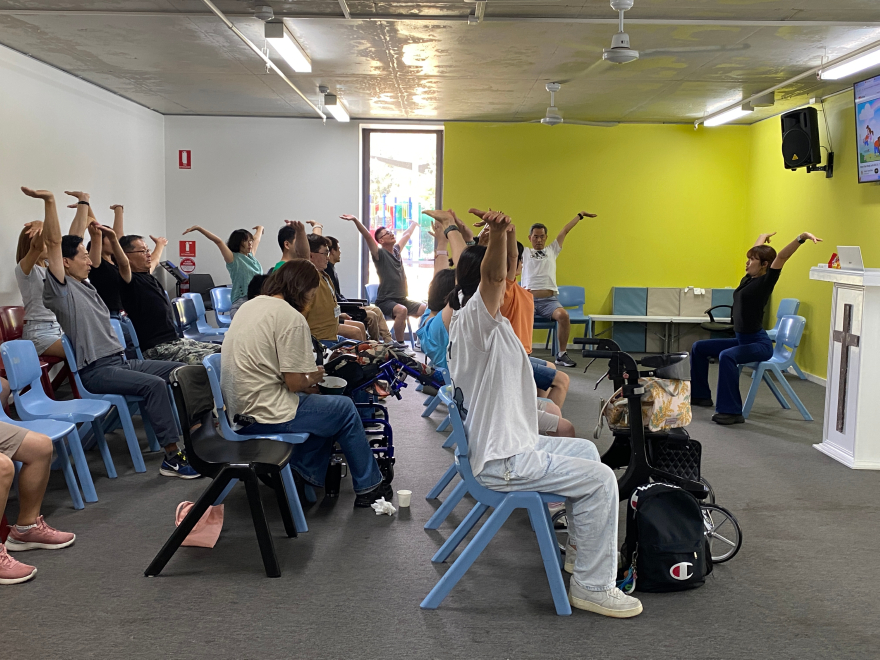
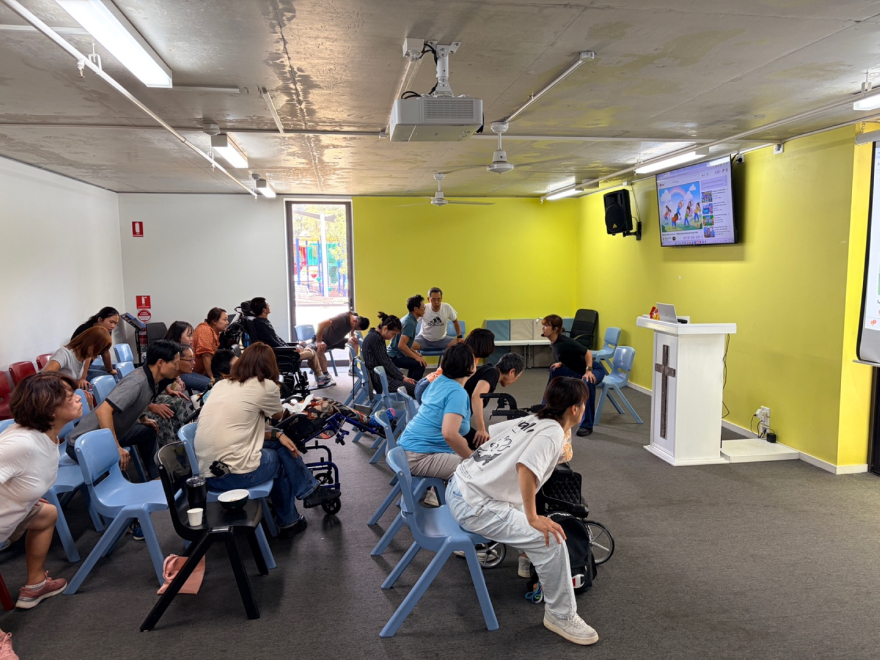
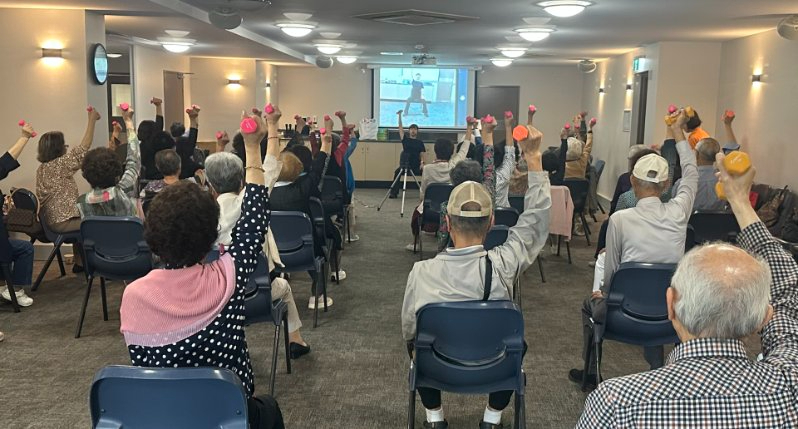
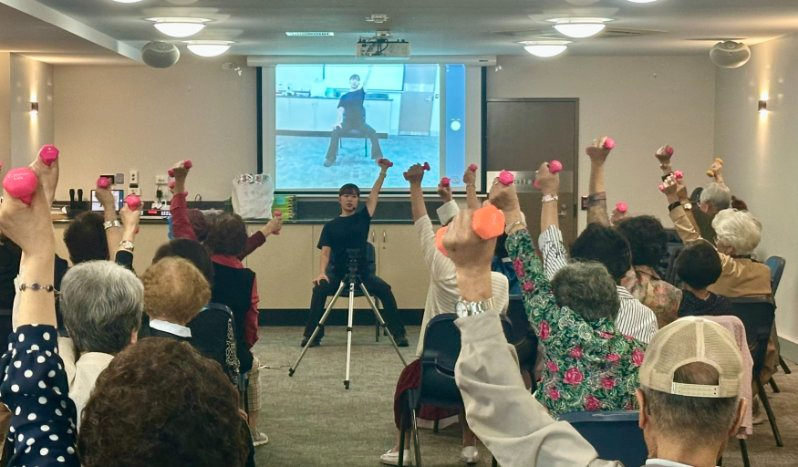
SYDNEY, Australia — The community hall in Meadowbank is not, at first glance, a place of transformation. Folding chairs line the walls. A kettle hums in the corner. Outside, the Parramatta River catches the afternoon light.
But inside, something is shifting.
A group of Korean seniors — most of them well past 65, many of them living alone — are lifting weights under the quiet instruction of Min-kyung Kim, a fitness professional who has come to believe that the most urgent crisis facing the aging diaspora is not cardiovascular disease or brittle bones. It is the slow erosion of the will to move at all.
"The vitality of the mind flows from the body," Ms. Kim says, pausing between sets to adjust a participant's grip. "Specifically, from the strength of our muscles."
A Radical Premise, Grounded in Biology
Ms. Kim's approach is deceptively simple. Through the Meadowbank Northern Social Support Group, she leads tailored strength-training programs for Korean seniors in Sydney's northern suburbs — a population that, like aging diaspora communities worldwide, is disproportionately vulnerable to isolation, depression, and the quiet indignities of physical decline.
What distinguishes her work is not the exercise itself, but the conviction behind it.
Where conventional elder fitness programs have long emphasized gentle stretching, balance drills, or the kind of low-impact aerobics that ask little of the body and return little to the spirit, Ms. Kim insists on resistance. On effort. On the deliberate recruitment of muscle fibers that, in many of her participants, have gone largely unchallenged for years.
The reasoning is neurochemical as much as physical. As heart rates rise and circulation accelerates, the brain receives a surge of oxygen. Serotonin, dopamine, and endorphins follow — a cascade of neurological activity that researchers have increasingly linked not merely to mood elevation, but to sustained emotional resilience and cognitive clarity.
"Exercise doesn't make your problems vanish," Ms. Kim says. "It changes the power with which you look at them."
The Weight of Isolation
To understand why this matters, it helps to understand the particular texture of loneliness that can settle over aging immigrants far from home.
For many Korean seniors in Sydney, the social architecture of their former lives — the neighborhood ties, the family proximity, the rhythms of a familiar culture — has been replaced by something thinner and more provisional. Language barriers narrow the world. Adult children are busy. The days can grow very long.
Ms. Kim's sessions are, in this sense, doing double work. They are building muscle, yes. But they are also building occasion — a reason to leave the apartment, a room full of people who share a language and a history, a weekly ritual of collective effort.
"When I see someone who arrived barely speaking," she says, "and three months later they're joking with the person next to them while they're doing a squat — that's not fitness. That's recovery."
A Model With Global Implications
The significance of Ms. Kim's work extends well beyond the Korean community in Sydney, or even Australia.
South Korea is aging faster than almost any nation on earth. By 2025, more than 20 percent of its population was classified as elderly — a threshold that demographers define as a "super-aged society." In smaller cities and rural regions, the pressures are more acute still.
Pocheon, a city of roughly 150,000 in Gyeonggi Province, north of Seoul, offers a representative case. Situated in a border region long constrained by military regulations and limited development, Pocheon faces the compounding challenges of an aging population, weakening community bonds, and a welfare infrastructure still oriented largely toward passive programming — day trips, calligraphy classes, the gentle diversions of a system designed for a different era.
City officials have recently identified demographic adaptation and life-centered welfare as strategic priorities. What Ms. Kim's model suggests is that the answer may lie not in more programming, but in a fundamental reorientation of what elder care is for.
"We have the spaces," says one regional welfare analyst familiar with the Pocheon case. "What we often lack is the philosophy."
The Sydney model — if it can be called that — proposes something specific: that community centers, learning villages, and neighborhood welfare hubs be reimagined not as places of leisure, but as sites of deliberate physical and relational reconstruction. That strength training be treated not as an amenity, but as a clinical intervention. That the line between fitness and mental health, between the gym and the counseling room, be allowed to blur.
"Stop Thinking. Start Moving."
There is a directness to Ms. Kim that her participants seem to find clarifying.
She does not traffic in the language of wellness culture — the affirmations, the lifestyle branding, the carefully curated optimism. Her instruction is practical, her expectations are real, and her belief in the capacity of older bodies to change is, by all accounts, contagious.
"If your mental energy has bottomed out," she says, "stop thinking and start moving."
It is a prescription that sounds almost too simple. But simplicity, in medicine as in exercise, is often the point. The body, Ms. Kim has come to believe, is not merely a vessel for the mind. It is the mind's most reliable instrument — and, in the lives of the people she works with, its most neglected one.
Whether her approach will find formal expression in the welfare policies of cities like Pocheon, or in the elder care systems of a South Korea reckoning with its own demographic future, remains to be seen. But the argument she is making — that saving the body is the first step toward saving the mind — is one that policymakers, from Seoul to Sydney, may find increasingly difficult to ignore.
BEST 뉴스
-

경민고 총동문회 골프팀 SBS골프 고교골프최강전 4강 진출 쾌거 10월 13일 준결승 격돌
경민고 총동문회 골프팀 SBS골프 고교골프최강전 4강 진출 쾌거 10월 13일 준결승 격돌 경민고등학교 총동문회 골프팀이 SBS골프 고교골프최강전 8강전에서 승리를 거두며 당당히 4강 진출의 쾌거를 달성했다. 전국 각지의 명문 고교 동문들이 출전해 모교의 명예와 장학금을 걸고 맞붙... -

가을 정취 물들이는 허브아일랜드 관광객을 위한 음악회 성황
가을 정취 물들이는 허브아일랜드 관광객을 위한 음악회 성황 가수 김용국 김봉규 단장의 색소폰 연주 가수 화영,황용 등 다채로운 무대 선사 가을 정취를 더하는 허브아일랜드 관광객을 위한 음악회가 열려 방문객들의 큰 호응을 얻고 있다. 트리플에이픽쳐스와 허브아일랜드... -

글로벌문화교류연합회 MOU 협약식 및 임명장 수여식 국회서 17일 개최
글로벌문화교류연합회 MOU 협약식 및 임명장 수여식 국회서 17일 개최 글로벌문화교류연합회와 장경태 의원실이 공동으로 주최하는 글로벌 문화교류 및 상호협력 활성화를 위한 MOU 협약식 및 임명장 수여식이 다가오는 10월 17일 토요일 14시부터 17시까지 국회 제8간담회의실에서 성대하게 열린다. 글로벌... -

포천 허브아일랜드 핑크뮬리 축제와 야간개장으로 가을맞이 본격화
포천 허브아일랜드 핑크뮬리 축제와 야간개장으로 가을맞이 본격화 경기 포천시 대표 관광지인 허브아일랜드가 가을 시즌을 맞아 핑크뮬리 축제 개막과 함께 야간개장을 본격적으로 운영하며 방문객 맞이에 나섰다. 허브아일랜드는 지난 9월 19일부터 가을 대표 축제인 핑크뮬리 축제를 시작했다. 스카이 허... -

제16회 계룡군문화축제 10월 1일 화려한 개막
제16회 계룡군문화축제 10월 1일 화려한 개막 대한민국 대표 군문화 축제인 제16회 계룡군문화축제가 오는 10월 1일부터 5일까지 5일간 계룡대 활주로 일대에서 펼쳐진다. 10월 1일 개막식은 오후 6시 30분 미8군 군악대 등의 식전공연을 시작으로 막을 올린다. 이어 오후 7시부터는 소향과 포레스텔라의... -

도쿄 번호판 달고 DMZ까지… 일본 경형 로드스터 고성 통일전망대 주차장 포착
도쿄 번호판 달고 DMZ까지… 일본 경형 로드스터 고성 통일전망대 주차장 포착 29일 오전 강원도 고성군 통일전망대 주차장에 일본 현지 번호판을 부착한 경형 오픈카 한 대가 주차되어 있어 관광객들의 눈길을 사로잡았다. 해당 차량은 일본 다이하츠 사의 2인승 경형 하드탑 컨버터블인 '코펜 세로' 모델로...
전체댓글 0

추천뉴스






의정부시
more +단체
more +-

금감원 공시 개편에 삼천당제약 ‘프로핏 쉐어’ 재평가… ‘진가’ 고개를 들다
금융감독원이 제약·바이오 기업의 공시 체계를 전면 개편하고 계약금과 마일스톤, 로열티 및 이익배분 ... -

포천 신북면 ‘포담장터’ 7월 11일 개장… 먹거리·공연·나눔밥상까지 풍성
경기 포천시 신북면에서 지역 주민과 관광객이 함께 즐길 수 있는 먹거리 장터가 열린다. 포천 신북면 ... -
![[메트로기획] 붓끝에 되살린 소동파의 철학](/data/news/202607/news_1783652004.1.jpg)
[메트로기획] 붓끝에 되살린 소동파의 철학
소동파(蘇軾)의 대표 산문 〈전적벽부(前赤壁賦)〉가 이종훈 포천문화원장의 필치로 대형 서예 작품으... -
![[메트로기획] 모수국과 무지랭이골에 대한 연구 ①](/data/news/202607/news_1783613916.1.jpg)
[메트로기획] 모수국과 무지랭이골에 대한 연구 ①
경기 의정부시 고산주민센터에서 진행하는 치매예방 프로그램 ‘웃음빵빵 두뇌짱짱’ 수업 시간이었다. ...
포토뉴스
more +-

90세 노모가 입혀준 붉은 점퍼 소통과 효심으로 그리는 포천의 미래
90세 노모가 입혀준 붉은 점퍼 소통과 효심으로 그리는 포천의 미래 정치인의 선거복은 흔히 당적을 상징하지만 백영현 포천시장 후보에게 붉은 점퍼는 그 이상의 특별한 의미를 지닌다. 최근 90세 노모가 아들에게 직접 선거 운동복을 입혀주는 모습이 포착되면서 지역 사회에 잔잔한 감동을 전하고 ... -

국민의힘, 포천 시의원 선거 ‘위기론’ 확산... 승부수는 ‘필승 전략공천’
국민의힘, 포천 시의원 선거 ‘위기론’ 확산... 승부수는 ‘필승 전략공천’ 가선거구 서과석·나선거구 안애경 전면 배치설... 박윤경 후보 비례대표 선회론도 ‘솔솔’ 오는 6월 3일 제9회 전국동시지방선거를 앞두고 포천 지역 국민의힘 진영 내에서 위기감이 고조되고 있다. 선거 판세가 안개 속으... -

임종훈 포천시의장, '험로' 무소속 시의원 3선 도전...
"포천 향한 진심으로 승부" 임종훈 포천시의회 의장이 다가오는 지방선거에서 포천시장 출마 대신 '무소속으로 시의원 3선 재도전'이라는 파격적인 행보를 결정하며 지역 정가의 이목을 집중시키고 있다.그동안 유력한 시장 후보군으로 거론되며 체급을 키워온 임 의장의 이번 결정은 정치적 영달을 위한 '높... -
가을 정취 물들이는 허브아일랜드 관광객을 위한 음악회 성황
가을 정취 물들이는 허브아일랜드 관광객을 위한 음악회 성황 가수 김용국 김봉규 단장의 색소폰 연주 가수 화영,황용 등 다채로운 무대 선사 가을 정취를 더하는 허브아일랜드 관광객을 위한 음악회가 열려 방문객들의 큰 호응을 얻고 있다. 트리플에이픽쳐스와 허브아일랜드가 주최 주관하고 포천...
