


- By transforming cattle manure into industrial fuel and auditing long-ignored agricultural waste, a South Korean city links grassroots environmental tension to macro climate strategy.
Livestock farming has long formed the economic spine of rural communities, yet it remains the very arena where local friction burns most acutely. For farmers, it is a vital livelihood; for neighbors, a persistent memory of odor and environmental degradation. In an era of accelerating climate precarity, the socio-economic math has grown infinitely more complex. Animal waste can no longer be treated as a localized logistics headache to be hidden away; it must be re-encoded into the broader policy lexicon of greenhouse gas mitigation and circular economics. Pocheon City’s launch of its 14.2 billion won "Low-Carbon Livestock Innovation" initiative—beginning with an exhaustive study to map out manure processing and carbon reduction pathways—serves as a pragmatic answer to this compounding regional pressure.
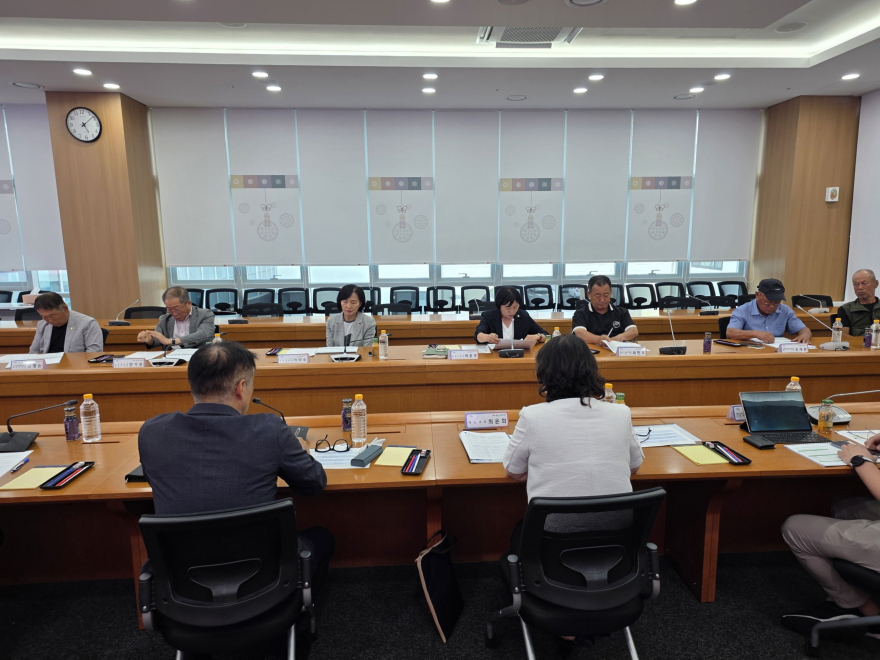
On July 16, 2026, the city convened its formal launch briefing for the project, gathering livestock associations, public utilities, and community representatives at city hall. The seven-month research endeavor, heavily mandated as a foundational prerequisite for the Ministry of Agriculture, Food and Rural Affairs’ pilot innovation zone, is being executed by the Ajou University Industry-Academic Cooperation Foundation through January of next year. While superficially an exercise in bureaucratic box-checking, the initiative marks a critical structural shift. Pocheon is moving past the reactive, complaint-driven governance of the past, treating agricultural pollution instead as a problem of systemic re-engineering.
The operational thesis is straightforward: transcend the legacy vocabulary of how to dispose of waste with minimal public outrage, and focus entirely on how to convert that waste into an industrial asset. The center of this blueprint rests on converting raw cattle manure into solidified bio-fuel, which will then be supplied to the GS Pocheon Green Energy facility as a direct substitute for bituminous coal. In effect, the administration is attempting to strip animal waste of its status as a commercial liability, absorbing it instead into the regional energy matrix. It is a highly integrated framework that attempts to manage waste logistics, fuel transition, odor suppression, and carbon accounting within a single administrative loop.
◇ The Shift from Rhetoric to Data
What elevates this project beyond typical "greenwashing" rhetoric is the city's intent to quantify the economic viability and carbon-reduction efficiency across the entire supply chain—from initial collection and logistics to final industrial consumption. The research is granular, auditing everything from precise volume projections and carbon-offset metrics to the baseline financial feasibility of processing plants. Furthermore, it encompasses an exhaustive inventory of storage tanks on pig farms, logistical route optimization, and the formulation of Standard Operating Procedures (SOPs) to eradicate "solidified sludge." In public administration, a meticulous blueprint built on hard data and logistical clarity is infinitely more valuable than a grand moral declaration.
The decision to confront the unglamorous problem of solidified sludge is particularly telling. While rural environmental tension is frequently discussed in abstract terms of civic discomfort, the reality on the ground is that sludge baked into the interior of agricultural holding tanks serves as the primary engine for chronic odor. Because managing this residue is highly labor-intensive, costly, and notoriously difficult to standardize, it has historically been pushed to the margins of public policy. By attempting to formalize a standardized cleaning protocol, Pocheon is demonstrating that real environmental solutions are won or lost in the unvarnished details of field maintenance.
Naturally, an environmental gambit of this magnitude carries structural precarity. Whether solid manure fuel can achieve genuine commercial competitiveness, whether the municipal apparatus can absorb the long-term overhead of waste logistics, and whether the bio-fuel can maintain a consistent quality baseline for industrial combustion remain unverified hypotheses. Carbon accounting metrics are also notoriously fluid, shifting dramatically based on the parameters of the auditing model. Therefore, the true value of this initial research phase lies not in prematurely declaring a victory for green governance, but in dispassionately testing the boundary lines of economic and physical feasibility. Policy succeeds through empirical verification, not political optimism.
◇ Engineering Regional Livability
This operational realism explains why Pocheon is intentionally weaving the livestock initiative into its broader demographic survival strategies and residential condition overhauls. While agricultural pollution is traditionally sequestered within rural development agencies, it dictates the absolute threshold of local life quality. In an urban-rural complex experiencing structural demographic strains, chronic environmental degradation drives regional flight, depressing local economies and hollowing out civic vitality. For a city attempting to retain its population, the primary mandate is not chasing new arrivals through performative incentives, but making the day-to-day existence of its current inhabitants tolerable, and ultimately flourishing. Managing the agricultural footprint is, at its root, a foundational demographic policy.
Still, skepticism is warranted. Large-scale ecological developments are frequently prone to hyperbole, painting grand visions of a zero-carbon future while stumbling over the mundane realities of budgetary constraints, administrative friction, and community resistance. The ultimate failure of such initiatives occurs when research remains confined to academic storage. A stack of certified reports and optimized coordinates does not clear the air. The project gains legitimacy only when it secures the authentic participation of local farmers, enforces clear legal liabilities for operating entities, and delivers a palpable transformation to the physical neighborhood.
Pocheon’s current trajectory deserves defense because it elevates a legacy rural crisis into a scientifically audited, structurally managed public priority. The long-term survival of regional agriculture cannot be secured by productivity metrics alone; it requires a delicate equilibrium between the environmental threshold a community can bear, the carbon liabilities demanded by the climate era, and the overhead a farmer can realistically sustain. Mayor Bai Young-hyun noted that "confronting the climate crisis and suppressing agricultural odor are imperatives that can no longer be deferred." For that statement to carry weight, this research must yield an actionable, unyielding manual for structural change. The future of farming is no longer judged by the volume of the harvest, but by the lightness of its footprint. Pocheon has outlined the questions; the region must now deliver data the world can trust.
BEST 뉴스
-

경민고 총동문회 골프팀 SBS골프 고교골프최강전 4강 진출 쾌거 10월 13일 준결승 격돌
경민고 총동문회 골프팀 SBS골프 고교골프최강전 4강 진출 쾌거 10월 13일 준결승 격돌 경민고등학교 총동문회 골프팀이 SBS골프 고교골프최강전 8강전에서 승리를 거두며 당당히 4강 진출의 쾌거를 달성했다. 전국 각지의 명문 고교 동문들이 출전해 모교의 명예와 장학금을 걸고 맞붙... -

가을 정취 물들이는 허브아일랜드 관광객을 위한 음악회 성황
가을 정취 물들이는 허브아일랜드 관광객을 위한 음악회 성황 가수 김용국 김봉규 단장의 색소폰 연주 가수 화영,황용 등 다채로운 무대 선사 가을 정취를 더하는 허브아일랜드 관광객을 위한 음악회가 열려 방문객들의 큰 호응을 얻고 있다. 트리플에이픽쳐스와 허브아일랜드... -

글로벌문화교류연합회 MOU 협약식 및 임명장 수여식 국회서 17일 개최
글로벌문화교류연합회 MOU 협약식 및 임명장 수여식 국회서 17일 개최 글로벌문화교류연합회와 장경태 의원실이 공동으로 주최하는 글로벌 문화교류 및 상호협력 활성화를 위한 MOU 협약식 및 임명장 수여식이 다가오는 10월 17일 토요일 14시부터 17시까지 국회 제8간담회의실에서 성대하게 열린다. 글로벌... -

포천 허브아일랜드 핑크뮬리 축제와 야간개장으로 가을맞이 본격화
포천 허브아일랜드 핑크뮬리 축제와 야간개장으로 가을맞이 본격화 경기 포천시 대표 관광지인 허브아일랜드가 가을 시즌을 맞아 핑크뮬리 축제 개막과 함께 야간개장을 본격적으로 운영하며 방문객 맞이에 나섰다. 허브아일랜드는 지난 9월 19일부터 가을 대표 축제인 핑크뮬리 축제를 시작했다. 스카이 허... -

도쿄 번호판 달고 DMZ까지… 일본 경형 로드스터 고성 통일전망대 주차장 포착
도쿄 번호판 달고 DMZ까지… 일본 경형 로드스터 고성 통일전망대 주차장 포착 29일 오전 강원도 고성군 통일전망대 주차장에 일본 현지 번호판을 부착한 경형 오픈카 한 대가 주차되어 있어 관광객들의 눈길을 사로잡았다. 해당 차량은 일본 다이하츠 사의 2인승 경형 하드탑 컨버터블인 '코펜 세로' 모델로... -

제16회 계룡군문화축제 10월 1일 화려한 개막
제16회 계룡군문화축제 10월 1일 화려한 개막 대한민국 대표 군문화 축제인 제16회 계룡군문화축제가 오는 10월 1일부터 5일까지 5일간 계룡대 활주로 일대에서 펼쳐진다. 10월 1일 개막식은 오후 6시 30분 미8군 군악대 등의 식전공연을 시작으로 막을 올린다. 이어 오후 7시부터는 소향과 포레스텔라의...
전체댓글 0
실시간뉴스


![[헤드라인] 아시아 최초 림팩 연합사령관 임무 수행, 대한민국 해군 위상 드높인다](/data/news/202607/news_1783140948.1.jpg)

추천뉴스






의정부시
more +단체
more +-

금감원 공시 개편에 삼천당제약 ‘프로핏 쉐어’ 재평가… ‘진가’ 고개를 들다
금융감독원이 제약·바이오 기업의 공시 체계를 전면 개편하고 계약금과 마일스톤, 로열티 및 이익배분 ... -

포천 신북면 ‘포담장터’ 7월 11일 개장… 먹거리·공연·나눔밥상까지 풍성
경기 포천시 신북면에서 지역 주민과 관광객이 함께 즐길 수 있는 먹거리 장터가 열린다. 포천 신북면 ... -
![[메트로기획] 붓끝에 되살린 소동파의 철학](/data/news/202607/news_1783652004.1.jpg)
[메트로기획] 붓끝에 되살린 소동파의 철학
소동파(蘇軾)의 대표 산문 〈전적벽부(前赤壁賦)〉가 이종훈 포천문화원장의 필치로 대형 서예 작품으... -
![[메트로기획] 모수국과 무지랭이골에 대한 연구 ①](/data/news/202607/news_1783613916.1.jpg)
[메트로기획] 모수국과 무지랭이골에 대한 연구 ①
경기 의정부시 고산주민센터에서 진행하는 치매예방 프로그램 ‘웃음빵빵 두뇌짱짱’ 수업 시간이었다. ...
포토뉴스
more +-

90세 노모가 입혀준 붉은 점퍼 소통과 효심으로 그리는 포천의 미래
90세 노모가 입혀준 붉은 점퍼 소통과 효심으로 그리는 포천의 미래 정치인의 선거복은 흔히 당적을 상징하지만 백영현 포천시장 후보에게 붉은 점퍼는 그 이상의 특별한 의미를 지닌다. 최근 90세 노모가 아들에게 직접 선거 운동복을 입혀주는 모습이 포착되면서 지역 사회에 잔잔한 감동을 전하고 ... -

국민의힘, 포천 시의원 선거 ‘위기론’ 확산... 승부수는 ‘필승 전략공천’
국민의힘, 포천 시의원 선거 ‘위기론’ 확산... 승부수는 ‘필승 전략공천’ 가선거구 서과석·나선거구 안애경 전면 배치설... 박윤경 후보 비례대표 선회론도 ‘솔솔’ 오는 6월 3일 제9회 전국동시지방선거를 앞두고 포천 지역 국민의힘 진영 내에서 위기감이 고조되고 있다. 선거 판세가 안개 속으... -

임종훈 포천시의장, '험로' 무소속 시의원 3선 도전...
"포천 향한 진심으로 승부" 임종훈 포천시의회 의장이 다가오는 지방선거에서 포천시장 출마 대신 '무소속으로 시의원 3선 재도전'이라는 파격적인 행보를 결정하며 지역 정가의 이목을 집중시키고 있다.그동안 유력한 시장 후보군으로 거론되며 체급을 키워온 임 의장의 이번 결정은 정치적 영달을 위한 '높... -
가을 정취 물들이는 허브아일랜드 관광객을 위한 음악회 성황
가을 정취 물들이는 허브아일랜드 관광객을 위한 음악회 성황 가수 김용국 김봉규 단장의 색소폰 연주 가수 화영,황용 등 다채로운 무대 선사 가을 정취를 더하는 허브아일랜드 관광객을 위한 음악회가 열려 방문객들의 큰 호응을 얻고 있다. 트리플에이픽쳐스와 허브아일랜드가 주최 주관하고 포천...
