


- By transforming a routine administrative milestone into a vital node for mental health and legal intervention, the city embeds compassionate infrastructure within its broader regional survival strategy.
A sudden death shatters the structural continuity of a household in an instant. When that loss is a suicide, the resulting trauma for the surviving family is rarely confined to the internal weight of grief alone. It triggers a cascading crisis—a compounding matrix of psychological shock, profound guilt, social stigma, immediate isolation, and the bewildering friction of legal and bureaucratic liquidation. The core dilemma of public welfare is that at the absolute zenith of this precarity, those in the most desperate need of institutional support are historically the least capable of requesting it.
Pocheon City’s concerted push to anchor a localized "Suicide Bereavement One-Stop Service" represents far more than a routine expansion of municipal care. It serves as a sophisticated test of a fundamental principle in public administration: whether the modern state can move past the legacy model of reactive post-crisis management and deploy its safety nets proactively at the vanguard of human suffering.
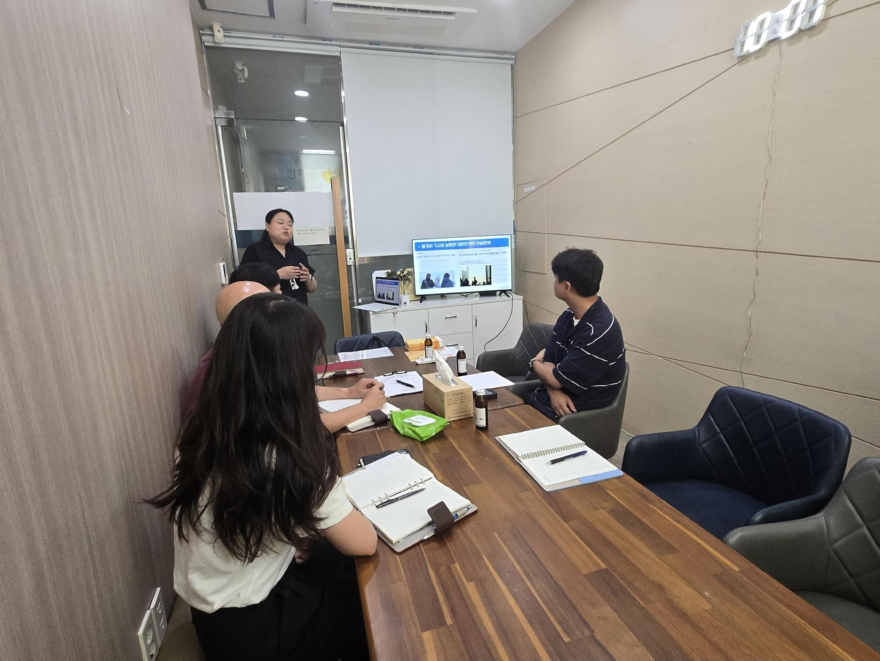
On July 16, 2026, the Pocheon Suicide Prevention Center and the Sohul-eup Administrative Welfare Center convened a strategic briefing to calibrate the regional stabilization of Gyeonggi Province's newly enacted Suicide Bereavement One-Stop Service, which officially launched earlier this month. The operational mechanics of the framework are distinct: immediately following a recorded suicide, the state intervenes to provide survivors with streamlined access to mental health counseling, legal administration, asset management, and customized public assistance. Crucially, the two entities identified the exact moment a survivor visits a township office to file a statutory death registration as the primary civic nexus for early detection and intervention. What bureaucracy views as a clinical paper trail, the architecture of care recognizes as a survivor's most vulnerable and isolated hour.
◇ Dismantling the Barriers of Bureaucratic Friction
Socioeconomic analysts emphasize that public welfare frameworks routinely fail not from a scarcity of statutory resources, but due to the structural barriers to entry that insulate those resources from the citizenry. Suicide survivors represent a demographic uniquely susceptible to these administrative blind spots. Paralyzed by acute trauma and wary of localized social stigmatization, these individuals rarely possess the administrative capital required to seek out municipal aid. Under conventional systems, a citizen might successfully navigate the legal requirements of a death certificate while leaving the building entirely disconnected from the psychological and financial backstops explicitly designed for their survival.
The systematic value of the One-Stop Service lies in its capacity to dissolve this fragmentation. Rather than forcing a grieving individual to independently cross-reference disparate municipal departments during a period of cognitive overload, the system synthesizes counseling, legal advocacy, and material welfare into a singular, legible channel. Public intervention is most potent not when it is merely abundant, but when it arrives before the window of human endurance closes.
This micro-level social intervention is tightly interwoven with Pocheon’s macro-administrative trajectory. Navigating severe regional depopulation, the city recently established its new Population Growth Bureau, anchoring its long-term viability index to comprehensive upgrades in regional 정주 여건 (living conditions). Yet, a sustainable demographic strategy cannot rely solely on the superficial recruitment of external residents or performative cash subsidies for childbirth. The more existential index of regional health is rooted in how securely a municipality insulates its existing populace from structural ruin during acute life crises.
Particularly within an urban-rural complex (도농복합도시), where rapid population aging, social alienation, and mental health precarity frequently intersect, the capacity to identify and catch hidden populations experiencing profound trauma serves as the ultimate metric of a community's civic dignity.
◇ The Imperatives of Field Integration
Nevertheless, translating an empathetic policy blueprint into a durable operational asset demands rigorous field execution. While the conceptual framework of the One-Stop Service is structurally sound, local implementations frequently stumble over the delicate realities of frontline administration. The true audit of this system requires clear answers to persistent operational questions:
How can frontline personnel execute early identification without violating the personal autonomy and dignity of the bereaved?
Are the data-sharing protocols between emergency responders and civil servants sufficiently insulated to guarantee absolute confidentiality for highly sensitive personal metrics?
Does the initial contact trigger a sustainable, long-term trajectory of psychological and financial rehabilitation, or does it dissolve into a one-off distribution of informational pamphlets?
Furthermore, local authorities must dedicate substantial resources to the psychological training and emotional labor management of the township civil servants tasked with anchoring this front-line intake. When dealing with the raw topography of sudden loss, the tone, pacing, and empathy of the administering official dictate whether the system functions as an accessible sanctuary or an imposing institutional wall.
An Administrative Indictment of Silence
Reflecting on this operational reality, Lee Jong-hwan, deputy director of the Pocheon Suicide Prevention Center, observed: “Suicide survivors frequently occupy a profound administrative blind spot, as the intense weight of their trauma leaves them structurally unequipped to seek out public assistance on their own. Proactive institutional outreach is not an optional luxury; it is a baseline public responsibility to pull these individuals back into the civic fabric before isolation hardens into tragedy.”
Pocheon’s stated directive to scale this collaborative framework outward from the Sohul-eup pilot zone to all 14 townships and municipal divisions represents a significant commitment to regional welfare. However, the ultimate verdict on this expansion will be determined by the qualitative depth of its field integration rather than the velocity of its rollout. The final measure of success is not found in the tally of participating institutions, but in the speed, comfort, and institutional continuity experienced by an individual survivor. A social safety net cannot be woven from aggregate numbers; it requires a highly synchronized matrix of human attention.
Grief is an inevitable feature of the human condition, but the systemic isolation that historically follows it is a variable that public policy can—and must—actively mitigate. The definitive goal of the Suicide Bereavement One-Stop Service is to ensure that while the state cannot erase the trauma of a loss, it refuses to allow the survivor to navigate the aftermath in absolute isolation. As Pocheon embarks on this nocturnal restructuring of its public care, it is testing a reality where governance is judged not by how efficiently it closes a file, but by how precisely and gently it stands beside its citizens at the absolute threshold of their pain.
BEST 뉴스
-

경민고 총동문회 골프팀 SBS골프 고교골프최강전 4강 진출 쾌거 10월 13일 준결승 격돌
경민고 총동문회 골프팀 SBS골프 고교골프최강전 4강 진출 쾌거 10월 13일 준결승 격돌 경민고등학교 총동문회 골프팀이 SBS골프 고교골프최강전 8강전에서 승리를 거두며 당당히 4강 진출의 쾌거를 달성했다. 전국 각지의 명문 고교 동문들이 출전해 모교의 명예와 장학금을 걸고 맞붙... -

가을 정취 물들이는 허브아일랜드 관광객을 위한 음악회 성황
가을 정취 물들이는 허브아일랜드 관광객을 위한 음악회 성황 가수 김용국 김봉규 단장의 색소폰 연주 가수 화영,황용 등 다채로운 무대 선사 가을 정취를 더하는 허브아일랜드 관광객을 위한 음악회가 열려 방문객들의 큰 호응을 얻고 있다. 트리플에이픽쳐스와 허브아일랜드... -

글로벌문화교류연합회 MOU 협약식 및 임명장 수여식 국회서 17일 개최
글로벌문화교류연합회 MOU 협약식 및 임명장 수여식 국회서 17일 개최 글로벌문화교류연합회와 장경태 의원실이 공동으로 주최하는 글로벌 문화교류 및 상호협력 활성화를 위한 MOU 협약식 및 임명장 수여식이 다가오는 10월 17일 토요일 14시부터 17시까지 국회 제8간담회의실에서 성대하게 열린다. 글로벌... -

포천 허브아일랜드 핑크뮬리 축제와 야간개장으로 가을맞이 본격화
포천 허브아일랜드 핑크뮬리 축제와 야간개장으로 가을맞이 본격화 경기 포천시 대표 관광지인 허브아일랜드가 가을 시즌을 맞아 핑크뮬리 축제 개막과 함께 야간개장을 본격적으로 운영하며 방문객 맞이에 나섰다. 허브아일랜드는 지난 9월 19일부터 가을 대표 축제인 핑크뮬리 축제를 시작했다. 스카이 허... -

제16회 계룡군문화축제 10월 1일 화려한 개막
제16회 계룡군문화축제 10월 1일 화려한 개막 대한민국 대표 군문화 축제인 제16회 계룡군문화축제가 오는 10월 1일부터 5일까지 5일간 계룡대 활주로 일대에서 펼쳐진다. 10월 1일 개막식은 오후 6시 30분 미8군 군악대 등의 식전공연을 시작으로 막을 올린다. 이어 오후 7시부터는 소향과 포레스텔라의... -

도쿄 번호판 달고 DMZ까지… 일본 경형 로드스터 고성 통일전망대 주차장 포착
도쿄 번호판 달고 DMZ까지… 일본 경형 로드스터 고성 통일전망대 주차장 포착 29일 오전 강원도 고성군 통일전망대 주차장에 일본 현지 번호판을 부착한 경형 오픈카 한 대가 주차되어 있어 관광객들의 눈길을 사로잡았다. 해당 차량은 일본 다이하츠 사의 2인승 경형 하드탑 컨버터블인 '코펜 세로' 모델로...
전체댓글 0
실시간뉴스


![[헤드라인] 아시아 최초 림팩 연합사령관 임무 수행, 대한민국 해군 위상 드높인다](/data/news/202607/news_1783140948.1.jpg)

추천뉴스






의정부시
more +단체
more +-

금감원 공시 개편에 삼천당제약 ‘프로핏 쉐어’ 재평가… ‘진가’ 고개를 들다
금융감독원이 제약·바이오 기업의 공시 체계를 전면 개편하고 계약금과 마일스톤, 로열티 및 이익배분 ... -

포천 신북면 ‘포담장터’ 7월 11일 개장… 먹거리·공연·나눔밥상까지 풍성
경기 포천시 신북면에서 지역 주민과 관광객이 함께 즐길 수 있는 먹거리 장터가 열린다. 포천 신북면 ... -
![[메트로기획] 붓끝에 되살린 소동파의 철학](/data/news/202607/news_1783652004.1.jpg)
[메트로기획] 붓끝에 되살린 소동파의 철학
소동파(蘇軾)의 대표 산문 〈전적벽부(前赤壁賦)〉가 이종훈 포천문화원장의 필치로 대형 서예 작품으... -
![[메트로기획] 모수국과 무지랭이골에 대한 연구 ①](/data/news/202607/news_1783613916.1.jpg)
[메트로기획] 모수국과 무지랭이골에 대한 연구 ①
경기 의정부시 고산주민센터에서 진행하는 치매예방 프로그램 ‘웃음빵빵 두뇌짱짱’ 수업 시간이었다. ...
포토뉴스
more +-

90세 노모가 입혀준 붉은 점퍼 소통과 효심으로 그리는 포천의 미래
90세 노모가 입혀준 붉은 점퍼 소통과 효심으로 그리는 포천의 미래 정치인의 선거복은 흔히 당적을 상징하지만 백영현 포천시장 후보에게 붉은 점퍼는 그 이상의 특별한 의미를 지닌다. 최근 90세 노모가 아들에게 직접 선거 운동복을 입혀주는 모습이 포착되면서 지역 사회에 잔잔한 감동을 전하고 ... -

국민의힘, 포천 시의원 선거 ‘위기론’ 확산... 승부수는 ‘필승 전략공천’
국민의힘, 포천 시의원 선거 ‘위기론’ 확산... 승부수는 ‘필승 전략공천’ 가선거구 서과석·나선거구 안애경 전면 배치설... 박윤경 후보 비례대표 선회론도 ‘솔솔’ 오는 6월 3일 제9회 전국동시지방선거를 앞두고 포천 지역 국민의힘 진영 내에서 위기감이 고조되고 있다. 선거 판세가 안개 속으... -

임종훈 포천시의장, '험로' 무소속 시의원 3선 도전...
"포천 향한 진심으로 승부" 임종훈 포천시의회 의장이 다가오는 지방선거에서 포천시장 출마 대신 '무소속으로 시의원 3선 재도전'이라는 파격적인 행보를 결정하며 지역 정가의 이목을 집중시키고 있다.그동안 유력한 시장 후보군으로 거론되며 체급을 키워온 임 의장의 이번 결정은 정치적 영달을 위한 '높... -
가을 정취 물들이는 허브아일랜드 관광객을 위한 음악회 성황
가을 정취 물들이는 허브아일랜드 관광객을 위한 음악회 성황 가수 김용국 김봉규 단장의 색소폰 연주 가수 화영,황용 등 다채로운 무대 선사 가을 정취를 더하는 허브아일랜드 관광객을 위한 음악회가 열려 방문객들의 큰 호응을 얻고 있다. 트리플에이픽쳐스와 허브아일랜드가 주최 주관하고 포천...
