


Pocheon’s integrated post-discharge care initiative highlights a fundamental truth for super-aging societies: true healing requires a seamless safety net woven into our daily lives.
Stepping through the hospital doors after treatment does not mean a patient’s struggles are over. For many, the true hardship is only beginning. Even when medical procedures conclude, physical functionality often remains compromised, leaving patients and families overwhelmed by the daunting prospect of home recovery. For the elderly, the chronically ill, or those recovering from debilitating falls and fractures, hospital discharge represents a double-edged sword: a milestone of clinical recovery, yet the onset of a dangerous care vacuum. In the hospital, one is a patient provided for; at home, one is suddenly left to navigate life alone.
Pocheon City’s new Integrated Medical and Nursing Care for Discharged Patients project steps directly into this void, carrying profound implications that extend far beyond routine social welfare. It reasserts a fundamental principle: true welfare must not end at the clinic doors, but must extend into the rhythm of daily life.
◇ Bridging the Chasm Between Clinical Treatment and Community Life
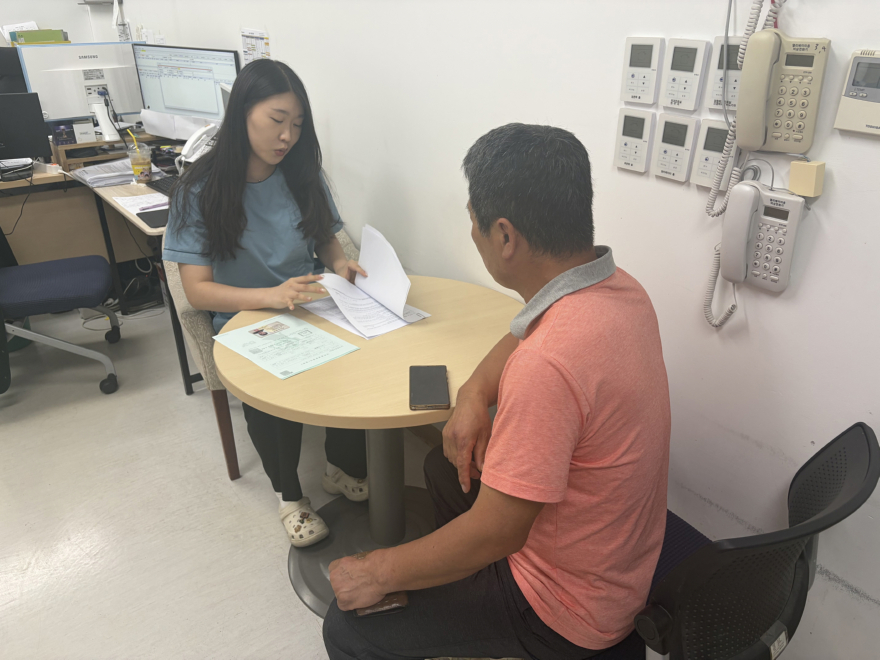
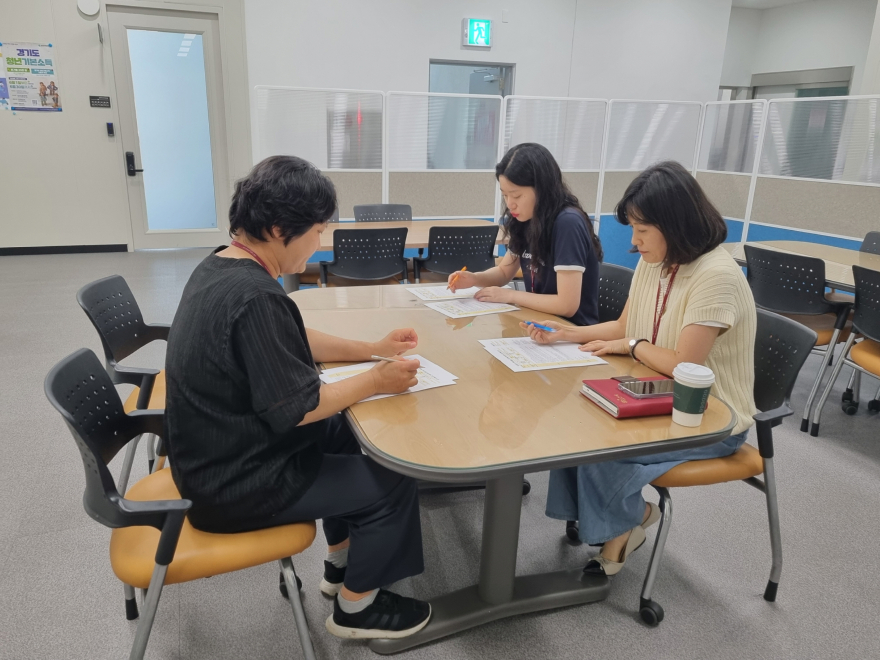
Since last March, Pocheon City has established a collaborative network with key local medical and public institutions to provide tailored health, medical, nursing, and social welfare services to discharged patients. Partnering with four major bodies—the National Health Insurance Service Pocheon Branch, Gyeonggi Provincial Medical Center Pocheon Hospital, Jin Convalescent Hospital, and Pocheon Our Hospital—the city conducts comprehensive health and lifestyle assessments for patients slated for discharge. Pocheon’s Welfare Policy Division receives these evaluations to design customized post-care packages.
The vision is clear: bridge the gap between clinical intervention and community reintegration, ensuring that administration and medicine operate not in isolated silos, but as a continuous continuum of care.
At its core, this initiative redefines hospital discharge not as the termination of medical responsibility, but as the beginning of a patient's return to ordinary life. Historically, discharge signaled the end of a hospital’s duty; medical treatments concluded, and the burden of recovery fell squarely on the family. In a super-aging society, however, this model is no longer sustainable. Nuclear families have shrunk, single-person elderly households have surged, and regional care infrastructure remains fragmented.
The cessation of medical treatment leaves pressing daily challenges unresolved: meal preparation, mobility, medication management, hygiene, follow-up visits, and emotional support. If ignored, this care vacuum delays recovery and inevitably triggers a vicious cycle of readmission. Integrated care is one of the most pragmatic solutions to break this cycle.
◇ Aging in Place: The Reality of Urban-Rural Communities
The urgency for such an initiative is acutely felt in an urban-rural complex like Pocheon. Where medical and caregiving resources are geographically dispersed, the post-discharge burden on patients compounds exponentially. Long distances to hospitals, limited public transportation, and strained family caregiving capacity transform discharge from a moment of relief into a source of profound dread. In this context, Pocheon City’s collaborative framework is more than an expansion of social safety nets—it is a tailored, life-sustaining infrastructure that enables residents to remain in their communities. The resilience that allows people to stay in their hometowns stems not from grand political slogans, but from these tangible human connections.
Furthermore, the project aligns seamlessly with the concept of "Aging in Place." As society ages, the measure of a good life lies not merely in longevity, but in where and how one grows old. Most seniors yearn to live out their days in familiar neighborhoods surrounded by lifelong connections. Yet, as frailty takes hold, institutionalization or relocation often becomes the default mandate.
Integrated care seeks to alter this trajectory. By connecting healthcare, nursing, and social welfare services within the community, residents can recover safely without abandoning the places they call home. True residential stability requires creating the conditions where citizens can endure illness and aging in the very places where they have laid down roots.
◇ Key Preconditions for Lasting Impact
For this initiative to achieve lasting success, several crucial hurdles must be addressed:
Beyond Paper-Based Referrals: The referral pipeline from hospitals to local government cannot become a bureaucratic formality. Success hinges on precise, nuanced assessments of patient conditions and the seamless delivery of actual services.
Dynamic Post-Discharge Monitoring: A patient’s needs evolve rapidly. Immediate post-discharge care may require meal delivery and mobility assistance, whereas later stages demand rehabilitation, cognitive support, and medication tracking. Care plans must adapt dynamically.
Relieving the Family Burden: Integrated care must supplement, not substitute, social responsibility, preventing the default offloading of care onto exhausted families—especially in vulnerable single-elderly households.
Bridging Medical and Administrative Languages: Hospitals focus on clinical cure; local governments focus on administrative support. Closing this ideological gap requires routine case management conferences and structured communication channels.
◇ Reframing the Purpose of Welfare
Ultimately, this initiative reshapes our fundamental understanding of social welfare. Welfare is too often reduced to reactive relief for the marginalized, whereas its true power lies in timely intervention at the fragile thresholds of life. Hospital discharge is precisely one such threshold—a precarious bridge between clinical care and daily routine, recovery and relapse.
Pocheon City’s policy compels us to confront a vital question:
Once a patient leaves the hospital, is the community genuinely ready to embrace and sustain them?
In a society that fails to answer this, even the most brilliant medical triumphs remain fleeting. Conversely, in a community that co-designs the journey after discharge, welfare becomes a living, transformative force. Discharge must not be an end, but a seamless continuation. Safeguarding citizens so they are never cast aside when sick or frail—that is the ultimate mark of dignity for local welfare in a super-aging era.
BEST 뉴스
-

경민고 총동문회 골프팀 SBS골프 고교골프최강전 4강 진출 쾌거 10월 13일 준결승 격돌
경민고 총동문회 골프팀 SBS골프 고교골프최강전 4강 진출 쾌거 10월 13일 준결승 격돌 경민고등학교 총동문회 골프팀이 SBS골프 고교골프최강전 8강전에서 승리를 거두며 당당히 4강 진출의 쾌거를 달성했다. 전국 각지의 명문 고교 동문들이 출전해 모교의 명예와 장학금을 걸고 맞붙... -

가을 정취 물들이는 허브아일랜드 관광객을 위한 음악회 성황
가을 정취 물들이는 허브아일랜드 관광객을 위한 음악회 성황 가수 김용국 김봉규 단장의 색소폰 연주 가수 화영,황용 등 다채로운 무대 선사 가을 정취를 더하는 허브아일랜드 관광객을 위한 음악회가 열려 방문객들의 큰 호응을 얻고 있다. 트리플에이픽쳐스와 허브아일랜드... -

글로벌문화교류연합회 MOU 협약식 및 임명장 수여식 국회서 17일 개최
글로벌문화교류연합회 MOU 협약식 및 임명장 수여식 국회서 17일 개최 글로벌문화교류연합회와 장경태 의원실이 공동으로 주최하는 글로벌 문화교류 및 상호협력 활성화를 위한 MOU 협약식 및 임명장 수여식이 다가오는 10월 17일 토요일 14시부터 17시까지 국회 제8간담회의실에서 성대하게 열린다. 글로벌... -

포천 허브아일랜드 핑크뮬리 축제와 야간개장으로 가을맞이 본격화
포천 허브아일랜드 핑크뮬리 축제와 야간개장으로 가을맞이 본격화 경기 포천시 대표 관광지인 허브아일랜드가 가을 시즌을 맞아 핑크뮬리 축제 개막과 함께 야간개장을 본격적으로 운영하며 방문객 맞이에 나섰다. 허브아일랜드는 지난 9월 19일부터 가을 대표 축제인 핑크뮬리 축제를 시작했다. 스카이 허... -

제16회 계룡군문화축제 10월 1일 화려한 개막
제16회 계룡군문화축제 10월 1일 화려한 개막 대한민국 대표 군문화 축제인 제16회 계룡군문화축제가 오는 10월 1일부터 5일까지 5일간 계룡대 활주로 일대에서 펼쳐진다. 10월 1일 개막식은 오후 6시 30분 미8군 군악대 등의 식전공연을 시작으로 막을 올린다. 이어 오후 7시부터는 소향과 포레스텔라의... -

도쿄 번호판 달고 DMZ까지… 일본 경형 로드스터 고성 통일전망대 주차장 포착
도쿄 번호판 달고 DMZ까지… 일본 경형 로드스터 고성 통일전망대 주차장 포착 29일 오전 강원도 고성군 통일전망대 주차장에 일본 현지 번호판을 부착한 경형 오픈카 한 대가 주차되어 있어 관광객들의 눈길을 사로잡았다. 해당 차량은 일본 다이하츠 사의 2인승 경형 하드탑 컨버터블인 '코펜 세로' 모델로...
전체댓글 0
실시간뉴스


![[헤드라인] 아시아 최초 림팩 연합사령관 임무 수행, 대한민국 해군 위상 드높인다](/data/news/202607/news_1783140948.1.jpg)

추천뉴스






의정부시
more +단체
more +-

금감원 공시 개편에 삼천당제약 ‘프로핏 쉐어’ 재평가… ‘진가’ 고개를 들다
금융감독원이 제약·바이오 기업의 공시 체계를 전면 개편하고 계약금과 마일스톤, 로열티 및 이익배분 ... -

포천 신북면 ‘포담장터’ 7월 11일 개장… 먹거리·공연·나눔밥상까지 풍성
경기 포천시 신북면에서 지역 주민과 관광객이 함께 즐길 수 있는 먹거리 장터가 열린다. 포천 신북면 ... -
![[메트로기획] 붓끝에 되살린 소동파의 철학](/data/news/202607/news_1783652004.1.jpg)
[메트로기획] 붓끝에 되살린 소동파의 철학
소동파(蘇軾)의 대표 산문 〈전적벽부(前赤壁賦)〉가 이종훈 포천문화원장의 필치로 대형 서예 작품으... -
![[메트로기획] 모수국과 무지랭이골에 대한 연구 ①](/data/news/202607/news_1783613916.1.jpg)
[메트로기획] 모수국과 무지랭이골에 대한 연구 ①
경기 의정부시 고산주민센터에서 진행하는 치매예방 프로그램 ‘웃음빵빵 두뇌짱짱’ 수업 시간이었다. ...
포토뉴스
more +-

90세 노모가 입혀준 붉은 점퍼 소통과 효심으로 그리는 포천의 미래
90세 노모가 입혀준 붉은 점퍼 소통과 효심으로 그리는 포천의 미래 정치인의 선거복은 흔히 당적을 상징하지만 백영현 포천시장 후보에게 붉은 점퍼는 그 이상의 특별한 의미를 지닌다. 최근 90세 노모가 아들에게 직접 선거 운동복을 입혀주는 모습이 포착되면서 지역 사회에 잔잔한 감동을 전하고 ... -

국민의힘, 포천 시의원 선거 ‘위기론’ 확산... 승부수는 ‘필승 전략공천’
국민의힘, 포천 시의원 선거 ‘위기론’ 확산... 승부수는 ‘필승 전략공천’ 가선거구 서과석·나선거구 안애경 전면 배치설... 박윤경 후보 비례대표 선회론도 ‘솔솔’ 오는 6월 3일 제9회 전국동시지방선거를 앞두고 포천 지역 국민의힘 진영 내에서 위기감이 고조되고 있다. 선거 판세가 안개 속으... -

임종훈 포천시의장, '험로' 무소속 시의원 3선 도전...
"포천 향한 진심으로 승부" 임종훈 포천시의회 의장이 다가오는 지방선거에서 포천시장 출마 대신 '무소속으로 시의원 3선 재도전'이라는 파격적인 행보를 결정하며 지역 정가의 이목을 집중시키고 있다.그동안 유력한 시장 후보군으로 거론되며 체급을 키워온 임 의장의 이번 결정은 정치적 영달을 위한 '높... -
가을 정취 물들이는 허브아일랜드 관광객을 위한 음악회 성황
가을 정취 물들이는 허브아일랜드 관광객을 위한 음악회 성황 가수 김용국 김봉규 단장의 색소폰 연주 가수 화영,황용 등 다채로운 무대 선사 가을 정취를 더하는 허브아일랜드 관광객을 위한 음악회가 열려 방문객들의 큰 호응을 얻고 있다. 트리플에이픽쳐스와 허브아일랜드가 주최 주관하고 포천...
